Type a description of this image

The Curse of Knowledge

December 14, 2025

– A Brief Dip Into Absurdism
The phrase curse of knowledge originates from a research paper first appearing in the Journal of Political Economy, 1989, by authors Colin Cameron, George Loewenstein, and Martin Weber.
In that paper, the authors used curse of knowledge as a formal term to describe a cognitive bias: once people know something, they systematically overestimate how much others know and find it difficult to “unknow” it when reasoning about others’ perspectives.
In this post I have re-purposed a group of drawings by giving them new names and asking ChatGPT to write absurdist descriptions of them. For example I asked it to write about a poet who doesn’t use words. The drawings came first, with descriptions added later.
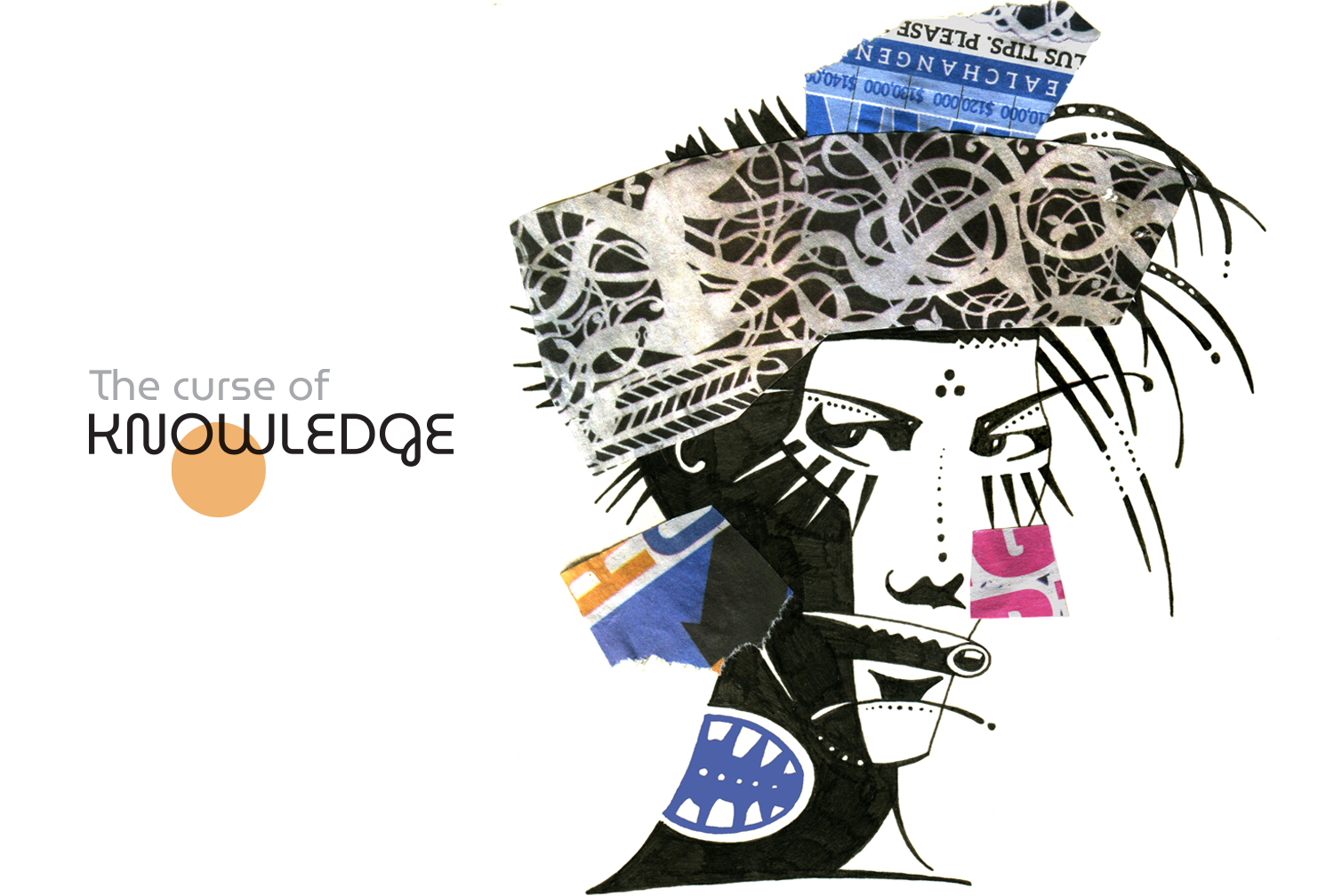
the curse of knowledge
The curse of knowledge is like being the only person at a party who knows the punch bowl is actually a fish tank—you want to warn everyone, but you also don’t want to ruin the fun. It’s that maddening inability to unsee what you know, like realizing the “organic” kale chips are just deep-fried lies. It’s waking up every morning knowing that spoons are just tiny bowls on sticks. That time is a flat circle but also a line but also a wibbly-wobbly paradox that probably owes you rent.
Type a description of this image
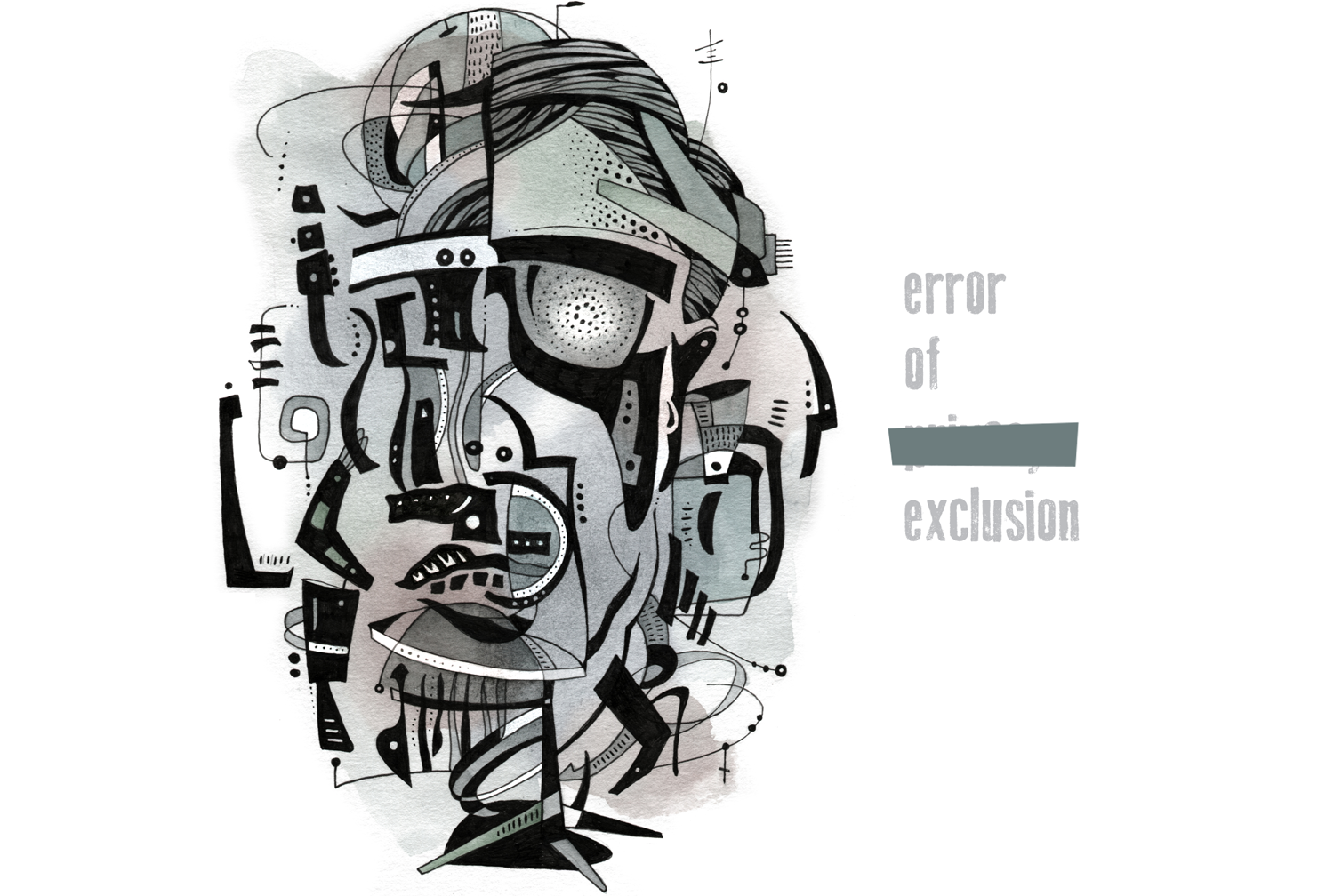
error of exclusion
Behold "Error of Exclusion," a portrait that exists in a perpetual state of self-doubt, constructed from discarded blueprints, rogue punctuation marks, and forgotten machines.
Somewhere between an art installation and a cosmic misunderstanding, this creation seems to have been rejected by reality itself, cobbled together from objects that never belonged in the first place. Its uneven lines and scattered elements suggest a face attempting to assemble itself but consistently leaving out some critical cohesive driver—perhaps a screw driver.
Type a description of this image
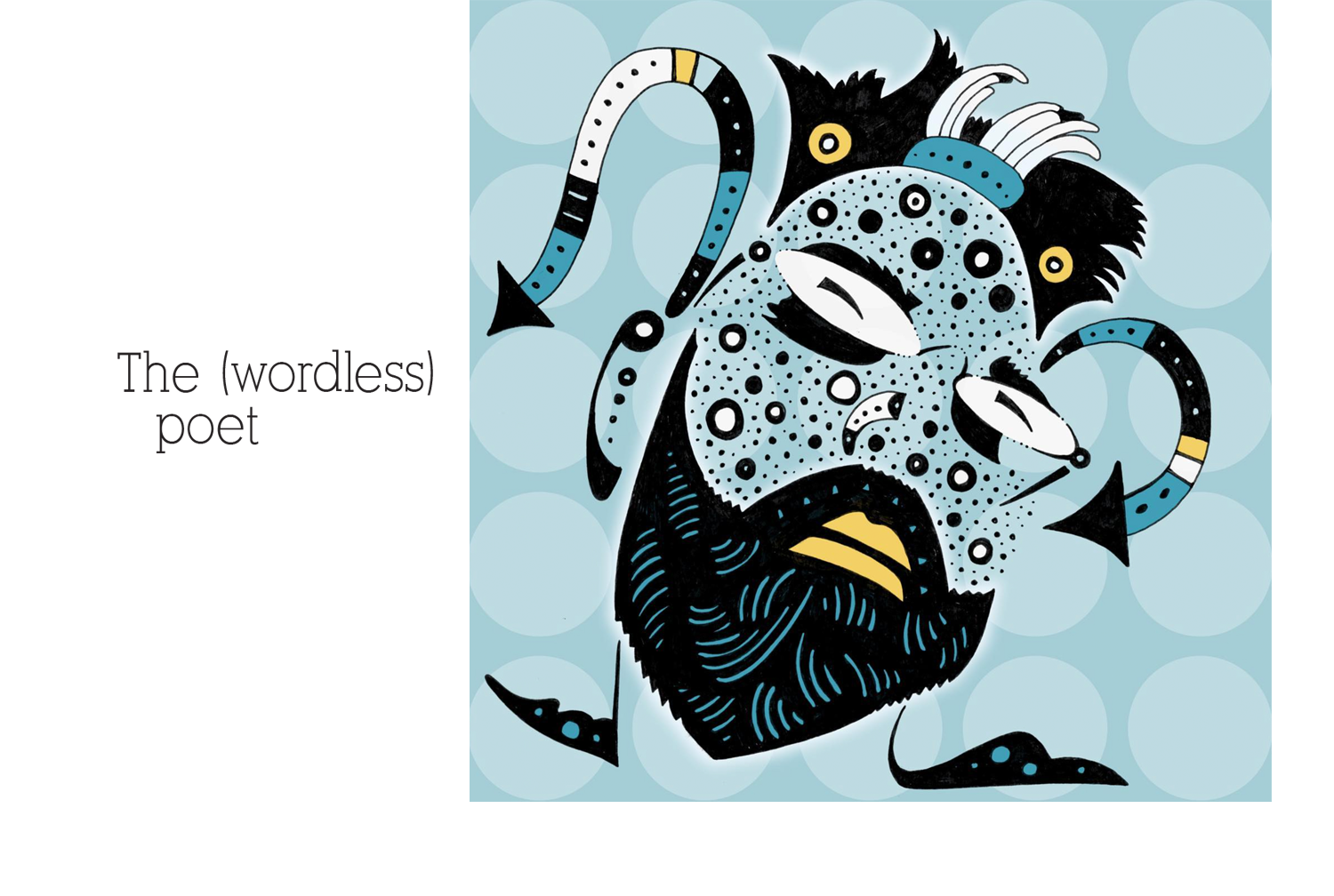
the wordless poet
The wordless poet sat in profound silence, his thoughts ricocheting inside his polka-dotted mind like existential pinballs. His eyes, half-lidded with the weight of unsaid sonnets, gazed into a realm where metaphors chased their own tails. His beard bristled with the frustration of a thousand unwritten verses. Horns curled from his head, looping back in on themselves like sentences that start strong but forget where they were going.
A punctuation mark vanishished before it could complete a coherent thought. The world waited for his masterpiece, but he simply smirked—because deep down, he knew that language was overrated, and a well-timed eyebrow raise could be more poetic than any sonnet ever penned.
Type a description of this image
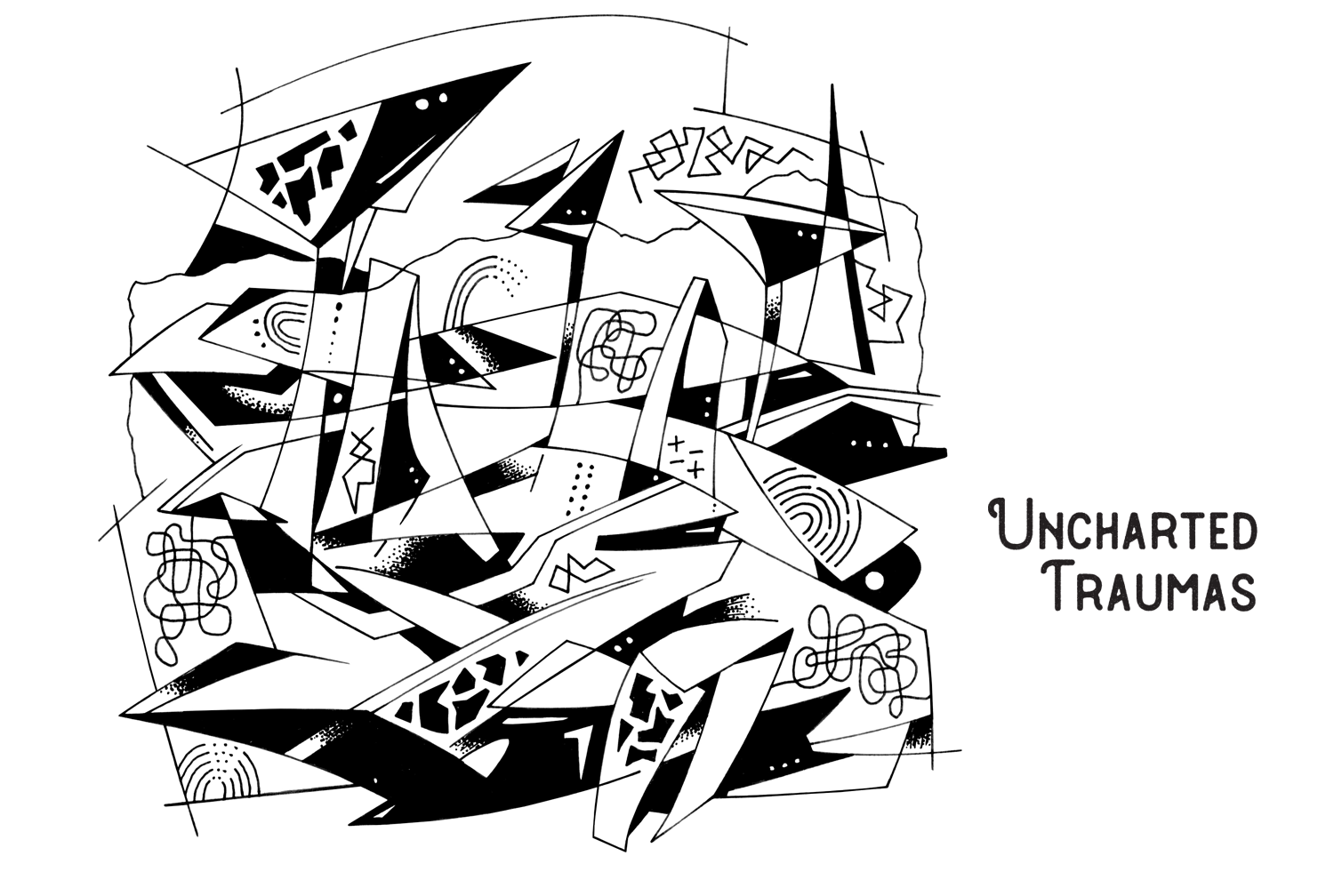
uncharted traumas
The uncharted traumas lay scattered like the wreckage of paper airplanes piloted by forgotten regrets, each shard a jagged confession folded in origami denial. Cartographers of the subconscious once tried to map this landscape, but their compasses spun wildly, whispering cryptic apologies in Morse code.
Here, memories sharpen themselves into spears, puncturing the thin fabric of nostalgia, while ancient anxieties carve nonsensical runes into the sky, warning no one in particular about the dangers of thinking too loudly. The roads lead nowhere, the landmarks are rumors, and somewhere beneath the debris, a childhood fear still hums a lullaby.
Type a description of this image
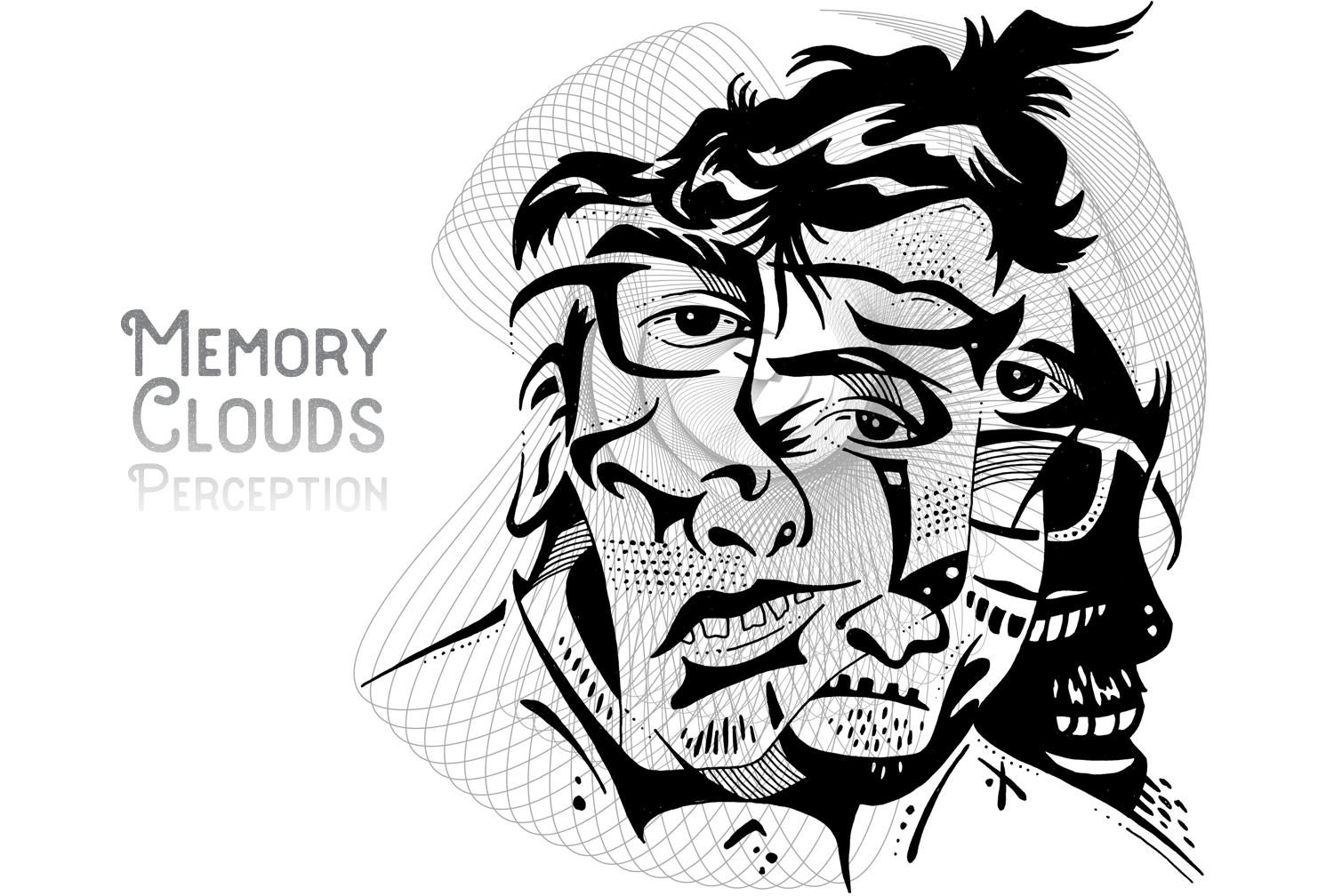
memory clouds perception
The sky churned with billowing clouds that looked suspiciously like old grocery lists and half-remembered childhood jingles, distorting the landscape below in a haze of déjà vu. A lamppost flickered, uncertain whether it had ever been turned on or if it was simply recalling the idea of illumination.
Meanwhile, a pigeon wearing a monocle squinted at the horizon, convinced that everything had already happened before but slightly to the left. The trees swayed, whispering gossip about forgotten dreams, while a man in the distance argued with his own shadow about whether or not the ground was actually there. Reality wobbled as perception tangled with memory, like a pair of socks fresh from the dryer—warm, familiar, and just a little mismatched.
Type a description of this image
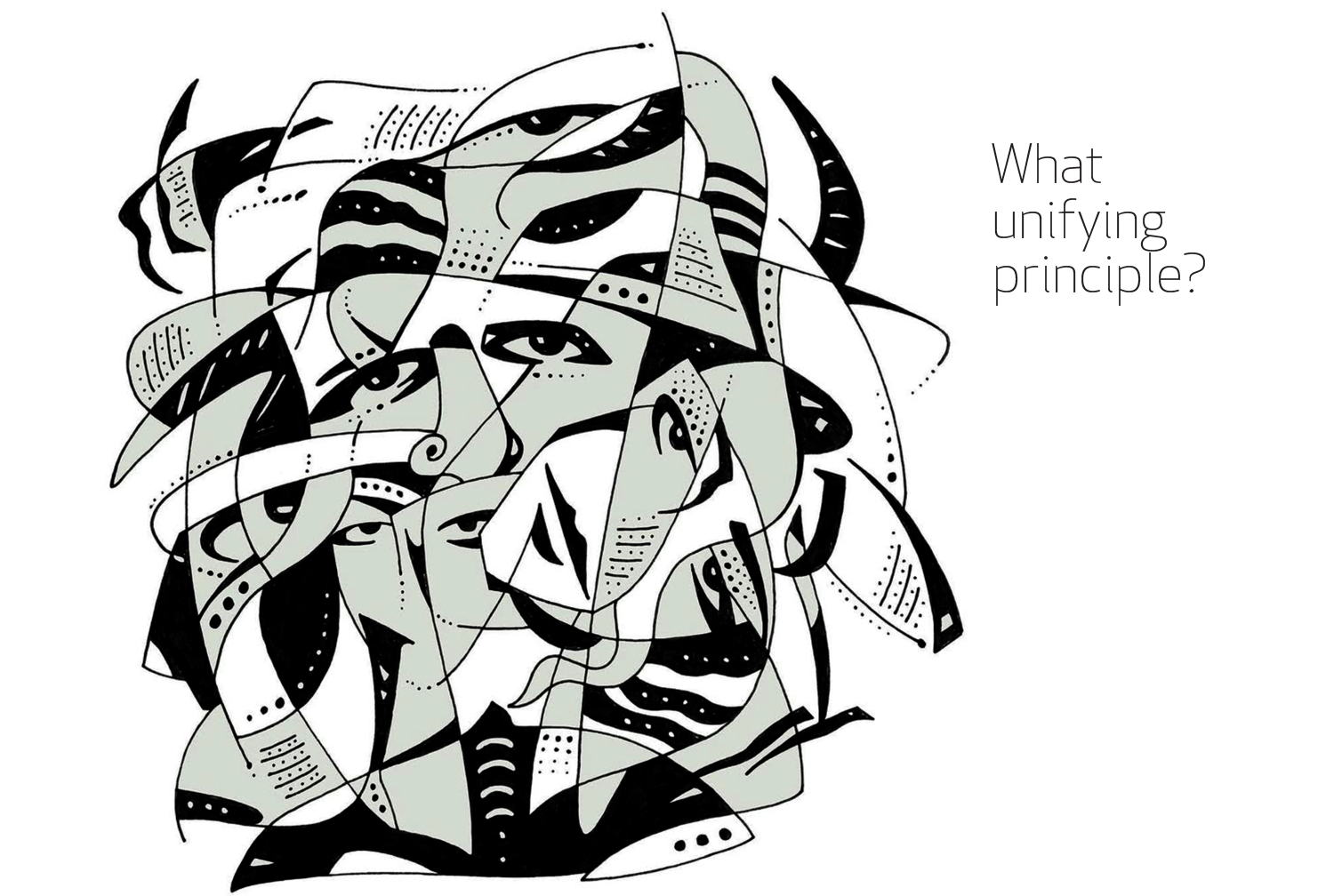
what unifying principle?
The universe, in a moment of creative crisis, crumpled up a sketch of reality and forgot to throw it away. Faces overlap, argue, and lose track of whose nose belongs to whom, while eyes pop up in unexpected places, casting judgment on their own existence. Somewhere, a mustache contemplates rebellion, curling in defiance of logic. Swirling lines weave through the chaos like a conspiracy theorist connecting unrelated dots, insisting there must be a unifying principle—though no one can quite agree on what it is.
Perhaps it’s an optical illusion, a grand cosmic joke, or just the aftermath of a very ambitious game of Picasso-themed Jenga. Either way, it stares back at you, waiting for you to make sense of it—good luck with that.
Type a description of this image
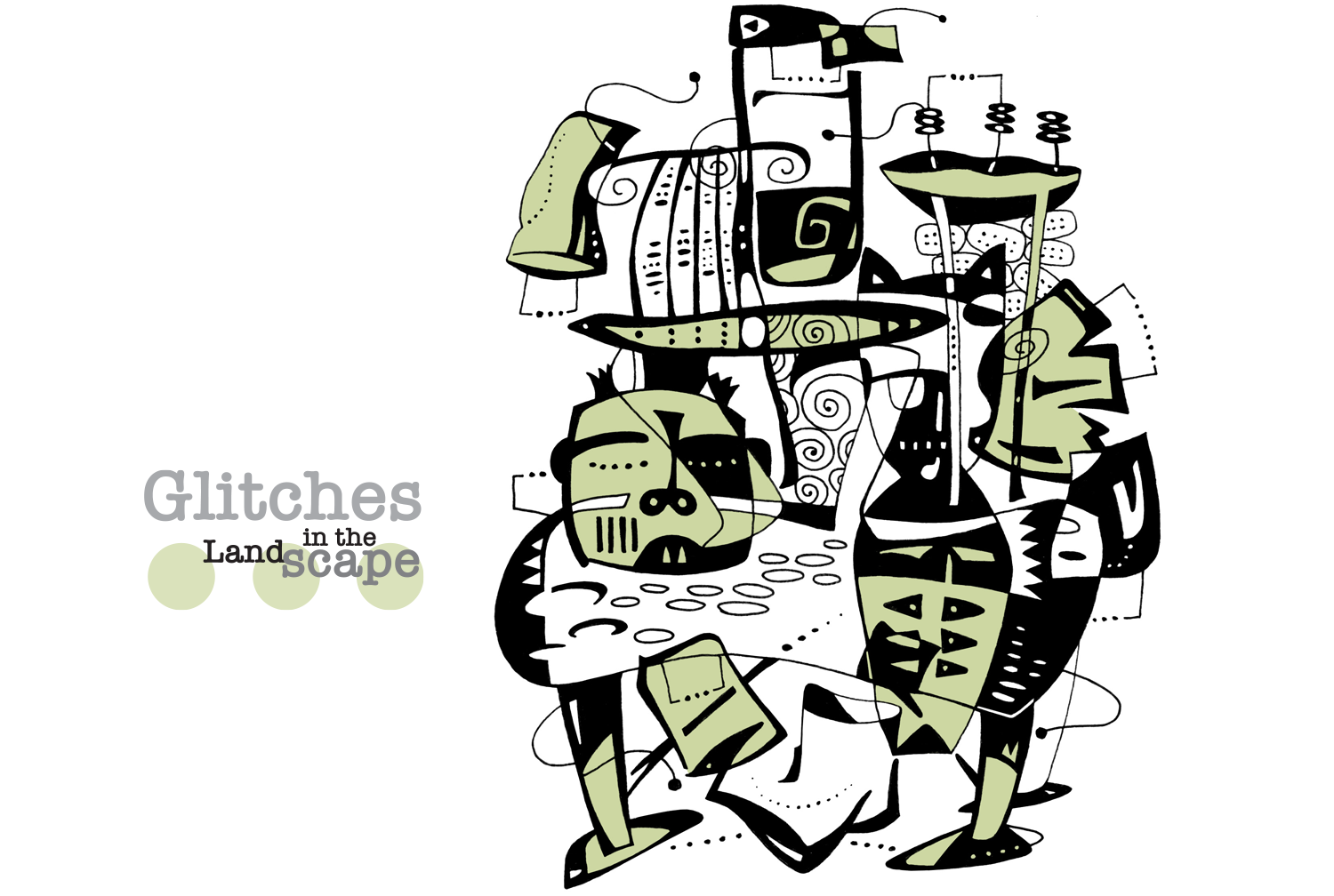
Glitches in the Landscape
A brief journey into the shortsleeve realm of soft swirling machine imagery.
The title, Glitches in the Landscape, could refer to emotional errors emerging spontaneously inside systems never meant to possess inner lives. Not true consciousness — perhaps something stranger: mechanical superstition.
One machine believes the hourglass contains time. Another believes it contains regret. Neither can open it without destroying the experiment.
Type a description of this image
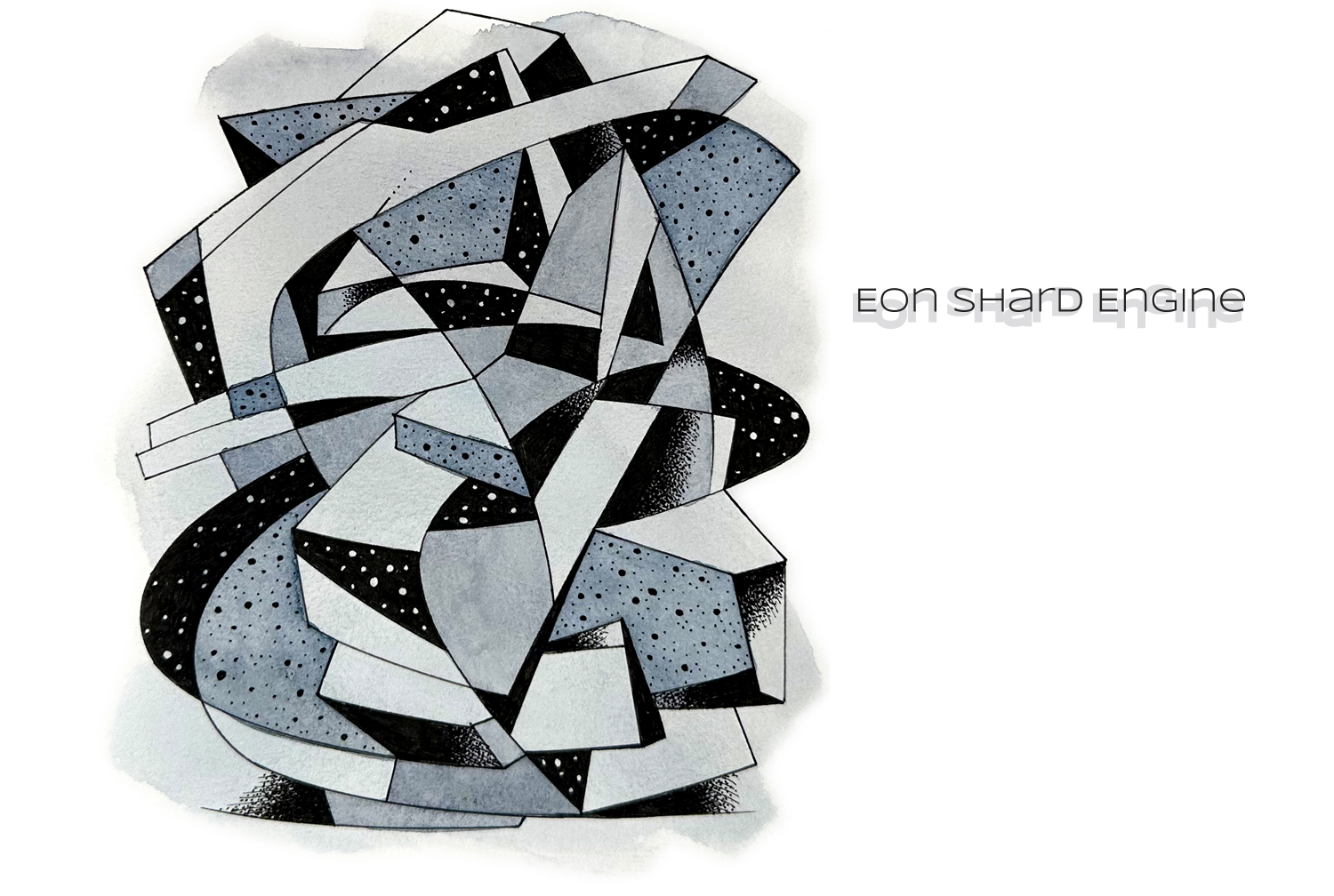
eon shard engine
This early time machine loosely followed Bob Lazar’s descriptions. Gravity propulsion whirred like a disgruntled lawnmower, and gravity emitters oscillated wildly, bending the fabric of space-time into what could only be described as a cosmic pretzel.
The pièce de résistance, however, was the Torque Wrangler—a device so mysterious its manual consisted of a single page with the words "Good Luck!" printed in Comic Sans. When activated, the machine folded space and time like a laundromat on speed, flinging its passengers through epochs with all the finesse of a wood chipper.
Type a description of this image
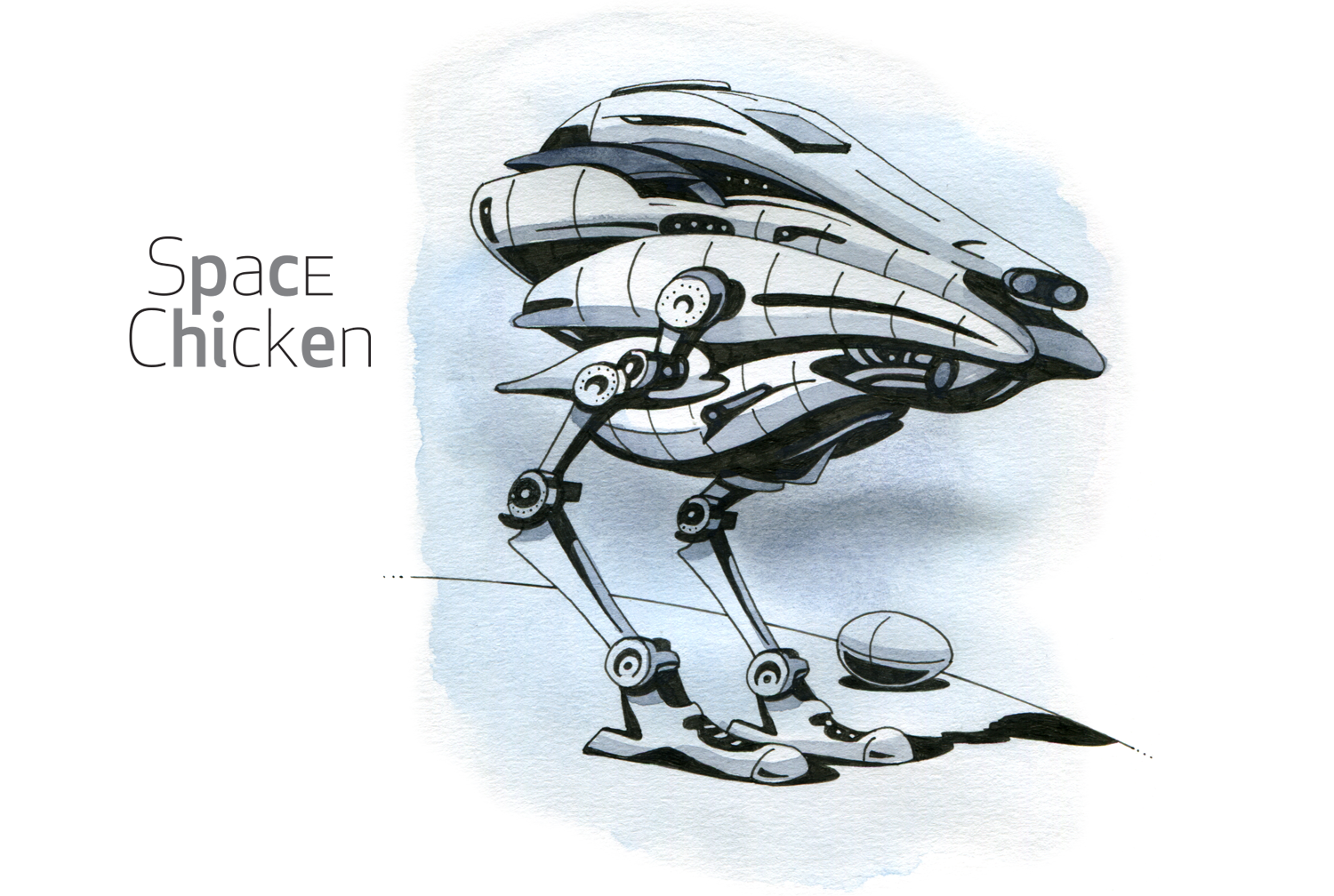
space chicken
The rogue space chicken hatched from the cosmic omelet of an overly ambitious alien species. Built to explore the universe and lay “eggs” of enigmatic purpose, it quickly took on a life of its own – quite literally, because who wouldn’t want a self-replicating chicken-ship hybrid spreading its influence across the stars? As it wandered, it left a trail of questionable gifts: planets sprouting forests shaped like drumsticks, moons inexplicably glowing in egg yolk hues, and the occasional asteroid programmed to cluck at passing ships.
Type a description of this image
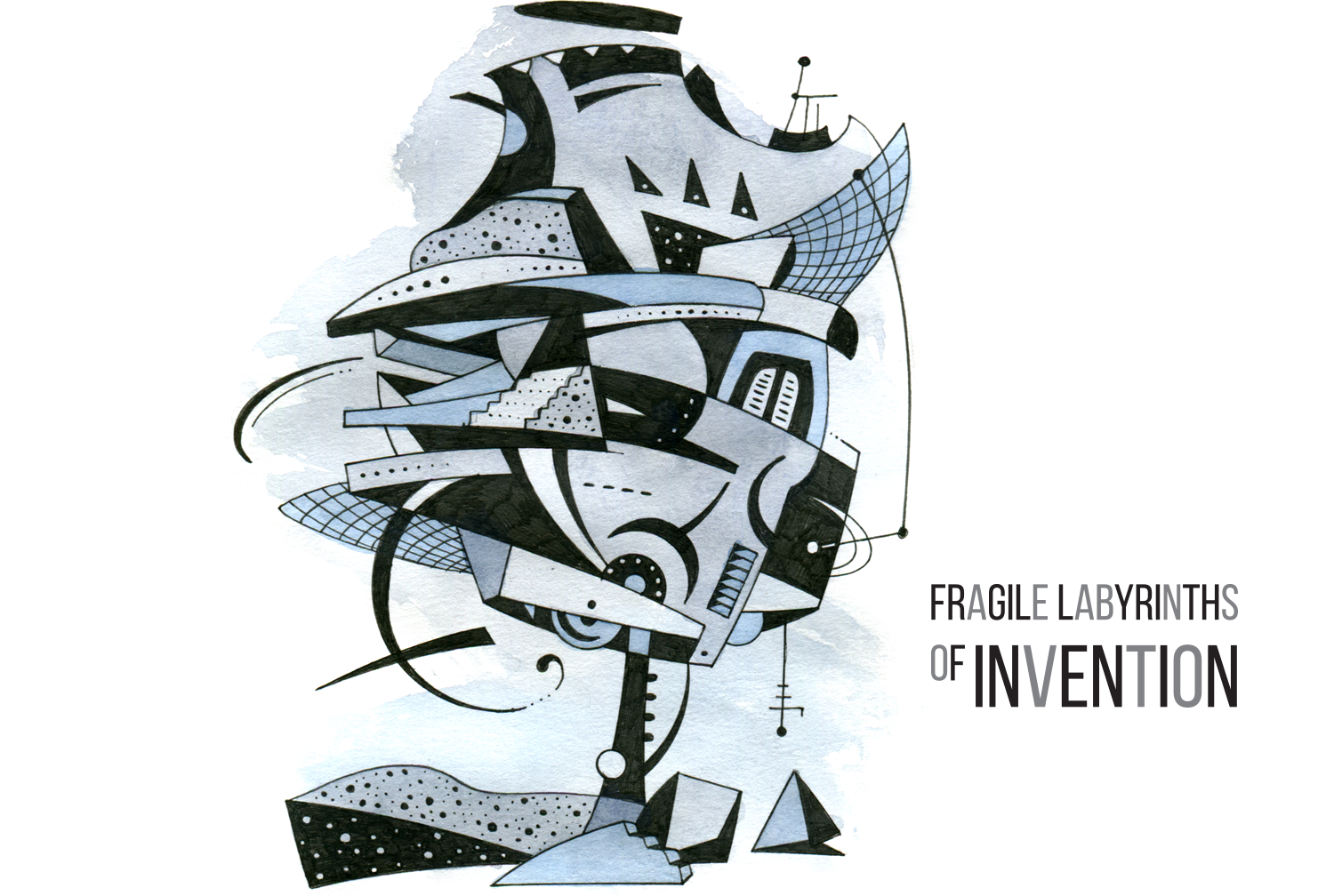
fragile labyrinths of invention
Humans, in their boundless creativity, weave intricate systems – economies, governments, ideologies, technologies – believing them to be the scaffolding of progress and stability. Yet, these systems often evolve beyond their creators, like runaway machines, dictating lives and reshaping societies in unintended ways.
People become enthralled by their own constructs, mistaking them for natural laws rather than fragile artifices of imagination. They cling to these systems with faith, forgetting that instability is their default state, like castles of sand contending with the tide. In their hubris, they try to master the unmasterable, only to find themselves captive to the very frameworks they hoped would liberate them, their freedom obscured by the comforting illusion of permanence.
Type a description of this image